

Latest News

About Us
The International Society for Biosafety Research, ISBR
aims to promote scientifically sound research that supports biosafety assessment by improving communication among scientists who study plants, animals, and microbes using modern biotechnology.

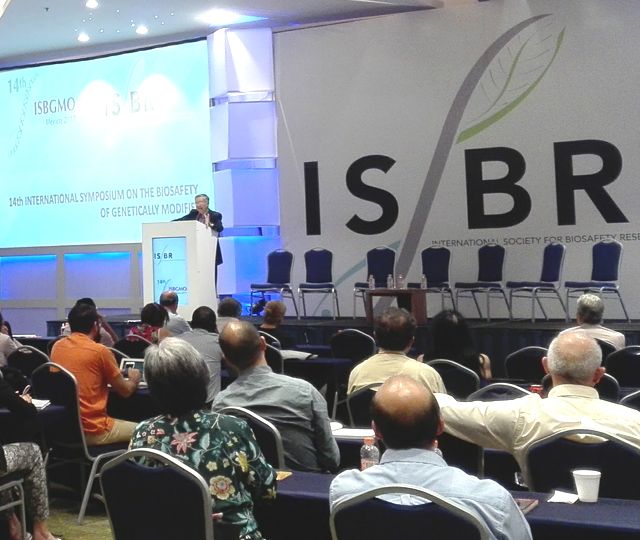
Starting 1990 ISBR organizes international symposia focused on the biosafety of bioengineered organisms. It was the first initiative to alleviate the communication problem within the GMO biosafety research community.
Sponsoring scientific publications, including original work, that describe advances in the field of biosafety research
Supporting a multidisciplinary approach to ensuring the safety of GMO products through a scientifically sound risk assessment that supports regulatory decision-making.


Become a member to receive updates
Board of Directors
-

Joerg Romeis, Ph.D.
ISBR President
Dr. Joerg Romeis heads the Biosafety Research Group at Agroscope in Zurich...

Joe Smith, Ph.D.
ISBR Past President
Dr. Joe Smith has over 35 years of experience in diverse public and private sector roles involving...

Karen Hokason, Ph.D.
ISBR Treasurer
Dr. Karen Hokanson currently works as a Senior Research Specialist in the Department ...
-
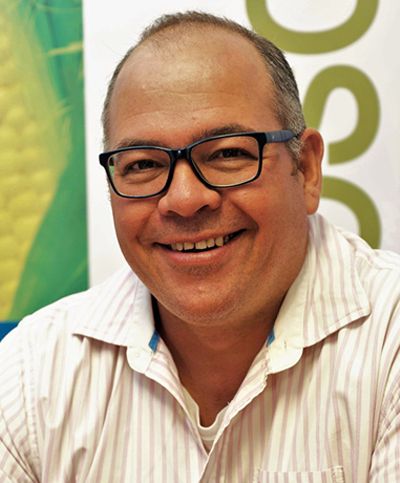
Hennie Groenewald, Ph.D.
ISBR President-Elect
Dr. Hennie Groenewald has more than 30 years of ...

Ralf Wilhelm, Ph.D.
ISBR Secretary
Dr. Ralf Wilhelm is the head of the "Institute for Biosafety in Plant Biotechnology" at...

Andrew Roberts, Ph.D.
ISBR Board Member
Dr. Andrew Roberts is Chief Executive Officer, Agriculture & Food Systems Institute ...
-

Monica Garcia-Alonso, PhD.
Past-Symposium Chair
Dr. Monica Garcia-Alonso is an independent consultant ...

Marc Heijde, Ph.D.
ISBR Board Member
Dr. Marc Heijde holds a degree in Biosciences engineering...
-

Vibha Ahuja, Ph.D.
ISBR Board Member
Vibha Ahuja, Ph.D is the Chief General Manager of Biotech Consortium India, Ltd. (BCIL)...

Jennifer Anderson, Ph.D.
ISBR Board Member
Jennifer Anderson is a research scientist in the Regulatory...




 International Society for Biosafety Research